South Hampshire College Group is increasing its commitment to sustainability with a new measure designed to reduce environmental impact, save energy, and make greener practices part of everyday life at college.
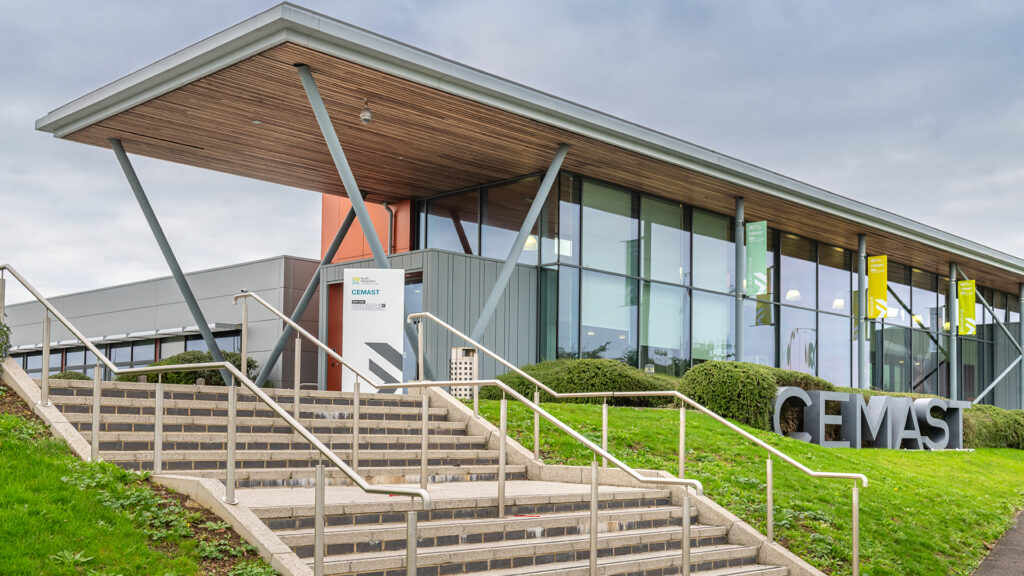
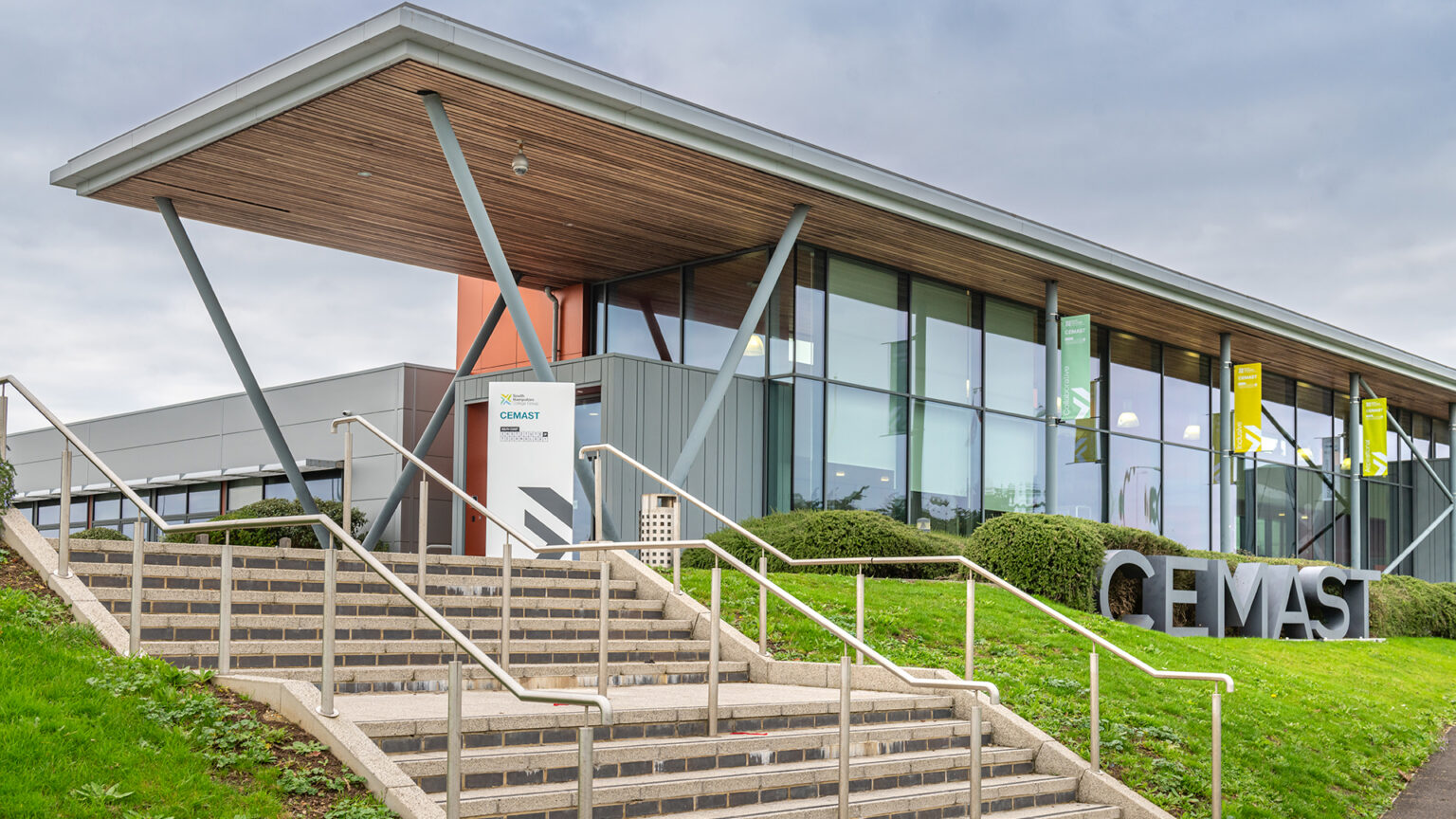
From April 2026 all college campuses, including Eastleigh College, Fareham College, Southampton College, CEMAST, and CETC, will switch to a 100% renewable energy-backed electricity tariff. While the electricity on site still comes from the national grid, this ensures that an equivalent amount of energy is generated from certified renewable sources, helping the Group reduce its reported carbon emissions.
This move is part of a wider plan to cut energy use and reduce reliance on fossil fuels. South Hampshire College Group has been making long-term building improvements including better insulation, solar panels, air source heat pumps, and LED lighting. At the same time, the Group is improving energy monitoring, analysing usage, and finding ways to use power more efficiently.
Jocelyn Lenn, Procurement Lead at South Hampshire College Group, said: “Opting into green electricity tariffs demonstrates responsible procurement in action and supports our wider strategic aim to reduce environmental impact across the Group. This move not only delivers measurable carbon benefits but also aligns with our commitment to sustainable, future-focused decision-making. Alongside the tariff change, we are reviewing our estate to ensure upcoming facilities upgrades incorporate sustainable infrastructure replacements, and we’re analysing usage patterns so we can actively reduce demand rather than simply offset it.”
Sustainability at South Hampshire College Group goes beyond buildings. Staff and students are encouraged to take part in energy-saving campaigns, while local suppliers such as Naked Coffee help reduce transport emissions and packaging waste through on-site, small-batch roasting. The importance of sustainability is further being explored in the curriculum, where students are learning to consider their carbon footprint.
Russell Squires, Graphics and Photography Lecturer, who has led environmental projects in his classes for many years, said: “It’s important to embed sustainability into the curriculum not only for education, but to encourage the future generation to consider their impact on the planet and their local environment. By investigating global concerns, highlighting best practices within the college, skip-diving, litter-picking, repairing broken furniture, and a range of other topics; I hope to instil in my students the importance of not wasting, how to conserve, and how they can make a change. No matter how slight it can make a difference.”
Together these efforts reflect South Hampshire College Group’s commitment to a greener future and building a more sustainable environment for students, staff, and the wider community.